
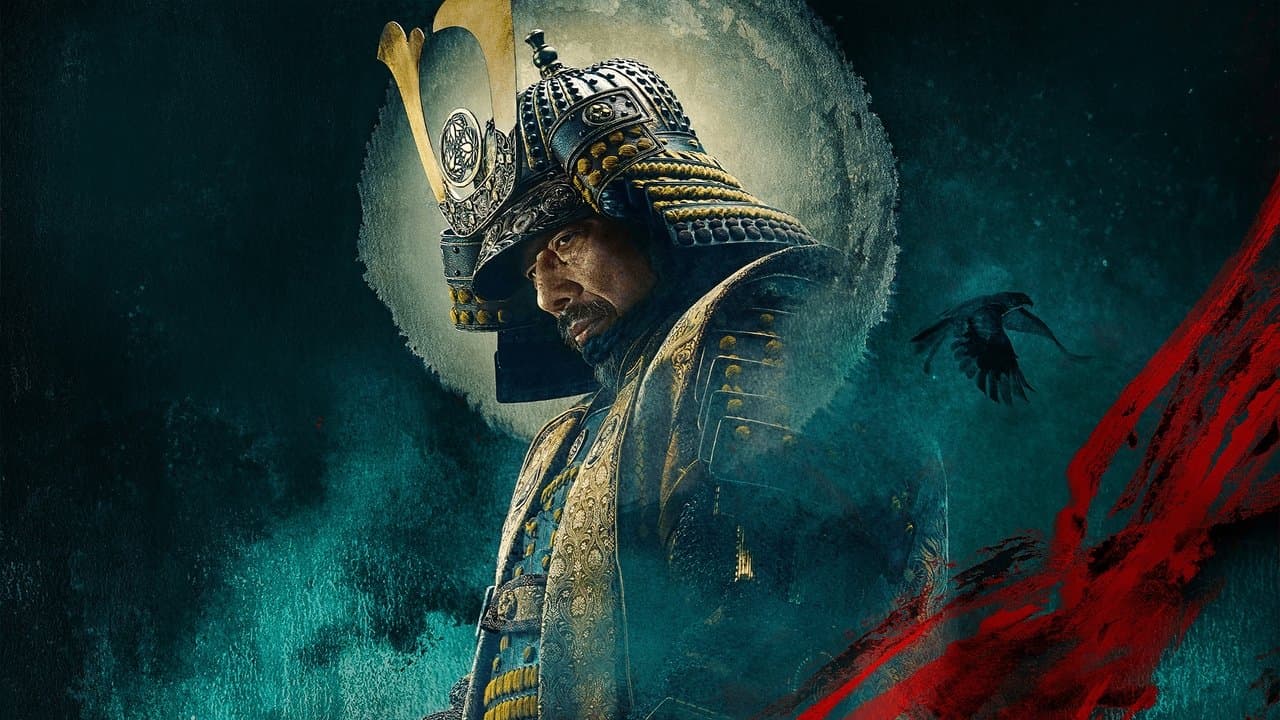
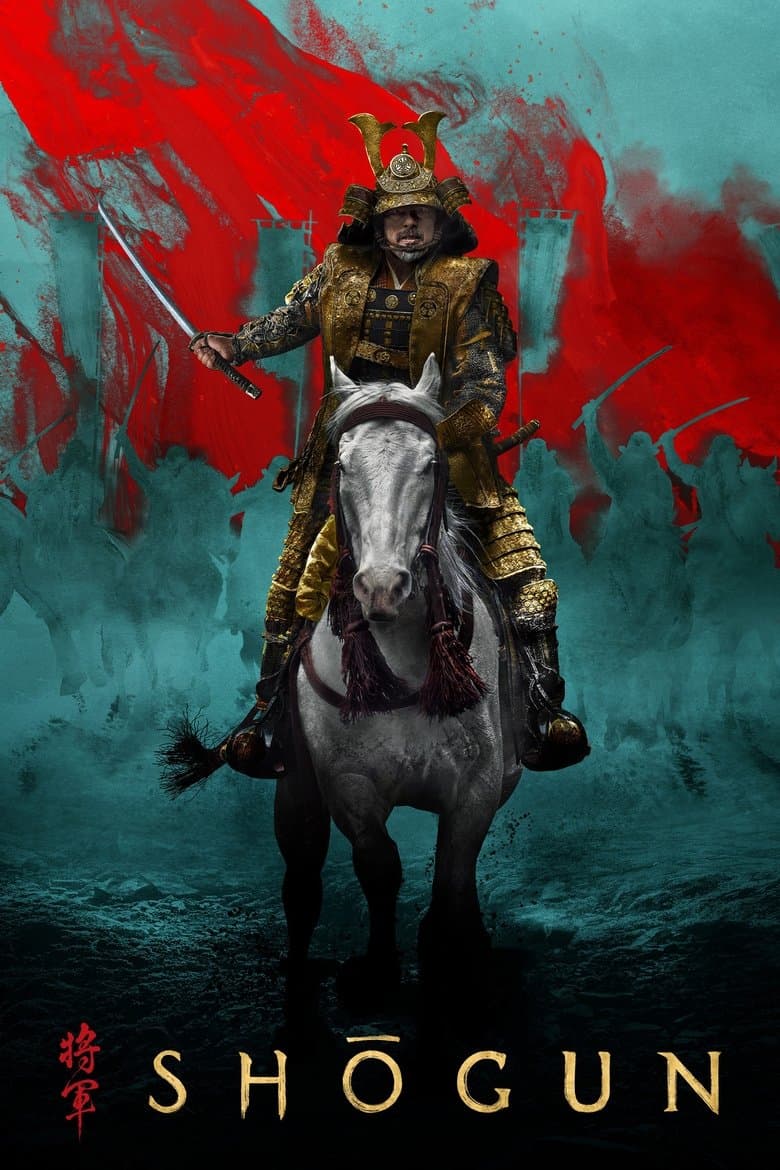
Shōgun (2024)
FX's Shōgun is the first prestige adaptation to treat the Japanese characters as protagonists rather than scenery — and the storytelling improves in exact proportion.
Rachel Kondo, Justin Marks
Feb 27, 2024
Quick Verdict
“A landmark adaptation. Anna Sawai's Mariko is the performance of the year, the production design is flawless, and the series' shift in POV from the English pilot to the Japanese court is a masterclass in adaptive rewriting.”
Plot Summary
In the year 1600, English pilot John Blackthorne washes ashore on a Japan at the brink of civil war, becoming a bargaining chip between Lord Yoshii Toranaga and his rival regents. As Toranaga maneuvers for political survival, his translator — the devout Christian noblewoman Lady Mariko — navigates her own collapsing house and the chess-match politics of the Council of Regents.
Full Breakdown
A 1975 novel finally adapted with the right protagonist
James Clavell's Shōgun has been adapted before — most famously as the 1980 NBC miniseries — but every prior version filtered Japan through Blackthorne's eyes. Co-showrunners Rachel Kondo and Justin Marks made the decisive editorial call of the decade: they moved the camera.
Japanese characters now carry their own scenes, subtitled, unmediated by an English explainer. That choice is not diversity theater. It is a craft decision that quadruples the available dramatic material, because the court intrigue can finally be shown instead of narrated.
Anna Sawai, Hiroyuki Sanada, and Tadanobu Asano lead a deep ensemble
Anna Sawai's Mariko is the central achievement. She plays a woman whose faith, grief, and political intelligence are all simultaneously active, and her Episode 9 Osaka sequence is the most devastating single hour of 2024 TV.
Hiroyuki Sanada's Toranaga is a study in strategic patience — every pause is narrative information. Tadanobu Asano's Yabushige is the show's most unpredictable pleasure, and Cosmo Jarvis makes Blackthorne watchable even as the series deliberately displaces him from the center of the story.
Production design, costume, and language consulting at the ceiling of TV
Helen Jarvis's production design, Carlos Rosario's costumes, and the extensive Japanese-language and period-consultant teams produced a show that Japanese critics praised for its register accuracy — historically rare for a Hollywood production.
Atticus Ross, Leopold Ross, and Nick Chuba's score is deployed with extreme discipline. Whole sequences are allowed to breathe with only wind, tatami, and breath before the music intervenes.
Pros and cons
Pros: A POV reinvention that makes a 50-year-old novel new; Anna Sawai's performance will be studied; production design at feature-film levels.
Cons: Episode one assumes more historical literacy than the average Western viewer brings; the English-dub option flattens key language-gap tension; viewers expecting action will find long political stretches.
What Hits
- Exceptional execution of drama, history, epic tropes
- Stunning cinematography and production design that demands a large screen
- A compelling lead performance that anchors the entire narrative
Pressure Points
- A few minor subplots feel slightly underdeveloped
- May feel overly familiar to long-time fans of the genre
96
Where to Watch


Primary Cast
Featured Actors
Production Specs
Technical Details
You might also like
Similar titles worth watching
Join the discussion
Most viewed today
 01
01Reviews · 3 min
In the Blink of an Eye (2026) Review: A Defining Moment for Science Fiction, Drama
 02
02Features · 3 min
Star Wars: Maul - Shadow Lord (2026) Review: A Defining Moment for Animation, Sci-Fi & Fantasy, Action & Adventure
 03
03Reviews · 3 min
The Super Mario Galaxy Movie (2026) Review: A Defining Moment for Family, Comedy, Adventure, Fantasy, Animation
 04
04Features · 3 min