

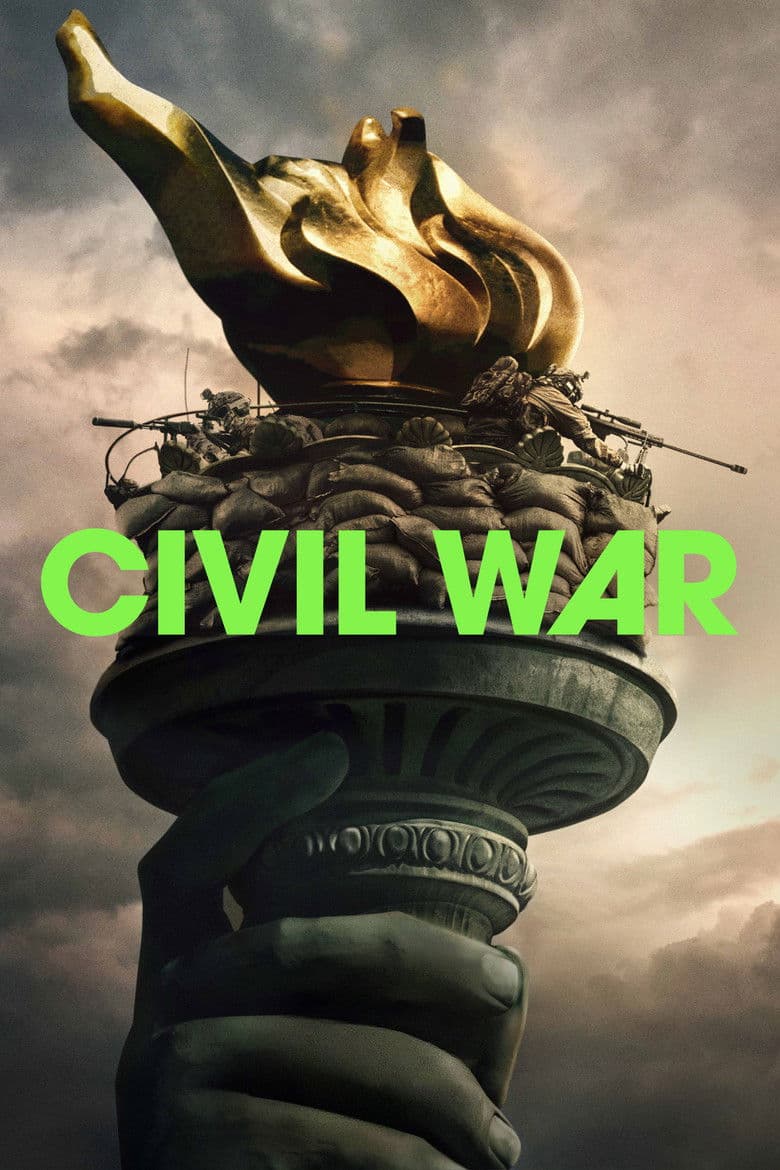
Civil War
Alex Garland bets the entire film on photojournalism as an ethical practice, and the wager mostly pays off in sustained, uncomfortable tension.
Alex Garland
Apr 12, 2024
Quick Verdict
“A film that is less interested in political diagnosis than in the ethics of the lens. Kirsten Dunst and Cailee Spaeny form the year's best mentor pairing, and Jesse Plemons's cameo is already iconic.”
Plot Summary
In a near-future United States fractured into warring factions, veteran war photographer Lee Smith and a team of journalists drive from New York to Washington, D.C. to interview a third-term president before loyalist forces fall. Along the way they pick up Jessie, a twenty-three-year-old photographer in the early stages of learning what her job actually costs.
Full Breakdown
A war film that refuses the political thesis viewers want
Garland's deliberate choice to avoid left/right coding of the factions is the film's most controversial decision. It frustrated viewers looking for prescriptive political commentary — which is exactly the point. The movie is about journalists who are no longer allowed the luxury of that framing.
That redirection turns Civil War into something more durable: a film about the specific psychological hazard of documenting violence you are not allowed to intervene in. The ethical weight lands on the press, not the platforms.
Dunst and Spaeny build the film's moral center
Kirsten Dunst's Lee is a veteran who has already paid the cost the younger journalist has not yet understood. Dunst plays depletion with extraordinary physical precision — the face of a person who has learned not to react.
Cailee Spaeny's Jessie is the audience surrogate without becoming the audience's excuse. Her arc from eager witness to desensitized professional is the film's actual spine, and the final sequence lands only because her transition has been so carefully built.
Rob Hardy's photography and Ben Salisbury's score keep the tension practical
Cinematographer Rob Hardy shoots violence with unnervingly cold framing, often from slightly too far away. The film's most famous sequence — Jesse Plemons's red-sunglasses interrogation — is devastating precisely because the camera refuses to intervene in the frame.
Salisbury and Geoff Barrow's score uses incongruous needle drops (Silver Apples, Suicide, De La Soul) as a kind of compositional shock. The effect is queasy on purpose.
Pros and cons
Pros: Dunst and Spaeny's pairing; Plemons's single-scene masterclass; an ethical thesis about photography that is rare in action-forward cinema.
Cons: The deliberate political abstraction will disappoint viewers who wanted specificity; some action sequences feel disconnected from the film's quieter ambitions; the ending's ambiguity is defensible but divisive.
What Hits
- Exceptional execution of drama, war, thriller tropes
- Stunning cinematography and production design that demands a large screen
- A compelling lead performance that anchors the entire narrative
Pressure Points
- A few minor subplots feel slightly underdeveloped
- May feel overly familiar to long-time fans of the genre
84
Where to Watch


Primary Cast
Featured Actors
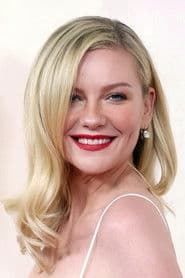
Kirsten Dunst
Lee Smith

Wagner Moura
Joel

Cailee Spaeny
Jessie Cullen

Stephen McKinley Henderson
Sammy
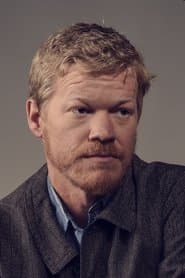
Jesse Plemons
Militia Leader
Production Specs
Technical Details
You might also like
Similar titles worth watching

Join the discussion
Most viewed today
 01
01News · 7 min
The mid-budget theatrical film is quietly winning 2026
 02
02News · 6 min
What the April 2026 box office is telling us about how audiences watch now
 03
03News · 8 min
Inside the Denis Villeneuve playbook every studio is now trying to copy
 04
04News · 7 min