
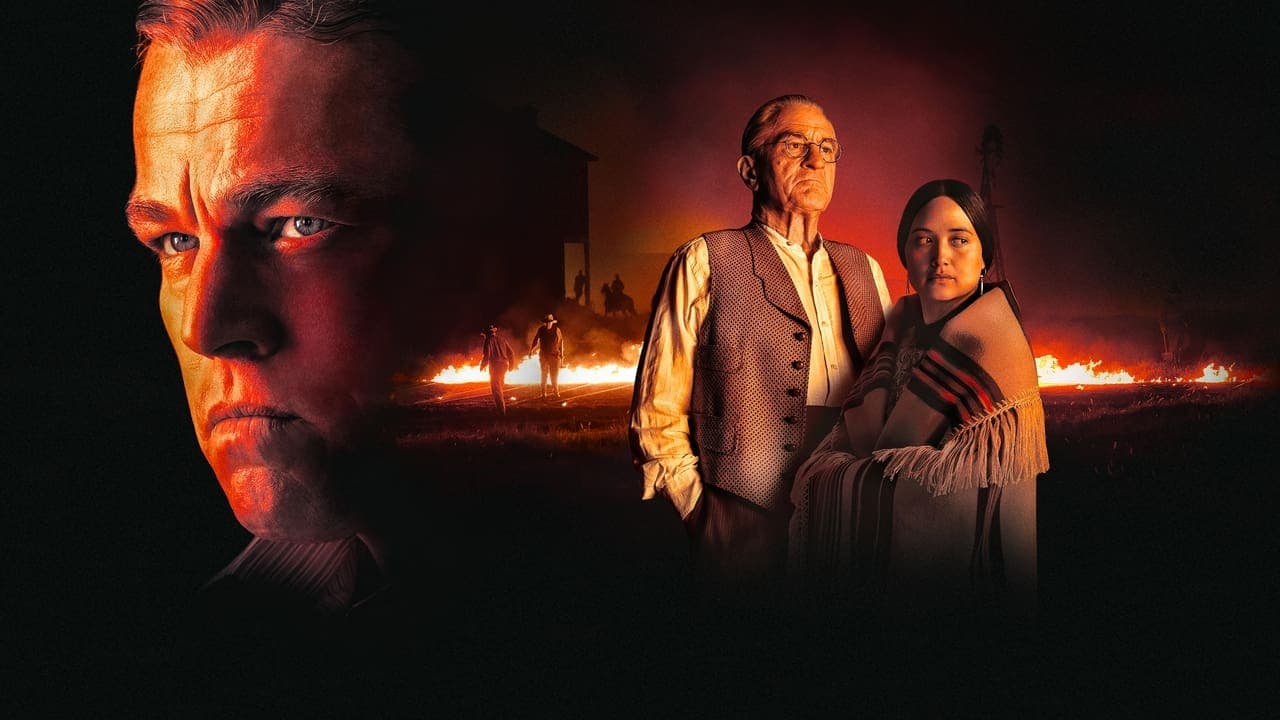
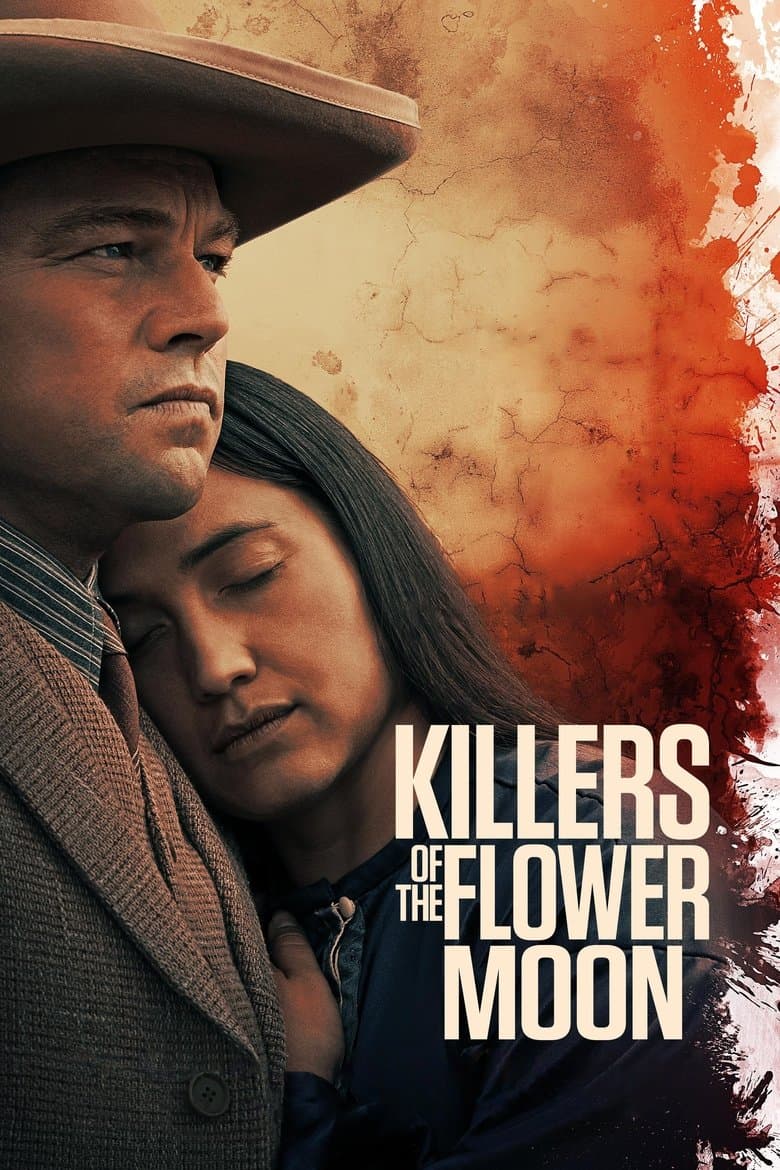
Killers of the Flower Moon
Scorsese reframes a canonical true-crime story as a sustained indictment of complicity, and the patience pays off in devastating ways.
Martin Scorsese
Oct 20, 2023
Quick Verdict
“A monumental, unhurried tragedy. Scorsese swaps procedural catharsis for moral accounting, and DiCaprio, De Niro, and a career-defining Lily Gladstone make every minute land.”
Plot Summary
In 1920s Oklahoma, members of the oil-rich Osage Nation are systematically murdered. Ernest Burkhart returns from the war and falls under the influence of his uncle William Hale, a cattleman whose fatherly posture hides an extermination scheme aimed at seizing Osage headrights through marriage, manipulation, and murder.
Full Breakdown
A true-crime epic that refuses the comfort of a detective
Killers of the Flower Moon takes a story long filed under 'unsolved FBI case' and rebuilds it from the inside of the crime. Scorsese and co-writer Eric Roth deliberately discard the original book's investigator POV, pushing the Bureau to the edges so the audience cannot hide behind a heroic outsider. We are stuck with the perpetrators, and that discomfort is the entire point.
The structural choice reframes the genre. This is not a whodunit; it is a how-did-they-let-themselves. By anchoring the film to Ernest Burkhart, Scorsese asks a harder question than 'who pulled the trigger' — he asks what kind of man agrees to marry a woman he is helping to poison.
Gladstone grounds the film, and the leads finally look their age
Lily Gladstone's Mollie is the film's moral center and its greatest performance. She plays intelligence and illness simultaneously, knowing more than she can safely say. Her stillness forces every other actor to work harder, and it is the reason the ending lands at all.
DiCaprio plays Ernest as a weak man who mistakes obedience for love, and his jutted-jaw discomfort is exactly right. De Niro's William Hale is the most chilling villain he has delivered in decades because the menace is folksy, civic, almost pastoral — evil dressed as a booster club president.
The craft is patient, not slow
Rodrigo Prieto's photography lets the Osage prairie breathe, and Thelma Schoonmaker's editing resists the montage impulse that shaped Scorsese's gangster films. Scenes are allowed to sit long enough for complicity to curdle.
Robbie Robertson's final score — bluesy, percussive, mournful — is a farewell in its own right, binding the film to a specifically American musical grief.
Pros and cons
Pros: Gladstone's era-defining performance; a moral architecture that refuses easy catharsis; Scorsese's most purposeful long runtime since Goodfellas.
Cons: The 206-minute length is a real commitment; viewers expecting a traditional investigation will need to recalibrate; the coda's formal swerve is divisive.
What Hits
- Exceptional execution of crime, drama, history tropes
- Stunning cinematography and production design that demands a large screen
- A compelling lead performance that anchors the entire narrative
Pressure Points
- A few minor subplots feel slightly underdeveloped
- May feel overly familiar to long-time fans of the genre
90
Where to Watch


Primary Cast
Featured Actors
Leonardo DiCaprio
Ernest Burkhart
Robert De Niro
William Hale

Lily Gladstone
Mollie Burkhart
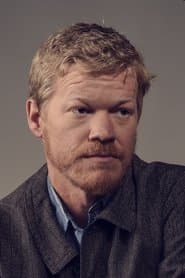
Jesse Plemons
Tom White
Production Specs
Technical Details
You might also like
Similar titles worth watching
Join the discussion
Most viewed today
 01
01News · 7 min
The mid-budget theatrical film is quietly winning 2026
 02
02News · 6 min
What the April 2026 box office is telling us about how audiences watch now
 03
03News · 8 min
Inside the Denis Villeneuve playbook every studio is now trying to copy
 04
04News · 7 min